Lorem ipsum dolor sit amet, consectetur adipiscing elit. Ut elit tellus, luctus nec ullamcorper mattis, pulvinar dapibus leo.
Objectives
By the end of this lesson, students will be able to:
- Vocabulary: Express likes, dislikes, and preferences about hobbies.
- Grammar: Use verb+verb combiations.
- Speaking: Conduct interviews about free-time activities.
Warmer
Answer the questions.
- Do you like spending time alone or with friends?
- What is something you can do very well?
- What is something you can’t do very well?
Vocabulary
Matching exercise
Questions (Click/touch to open)
- Can you think of more skills and hobbies?
- Which do you like to do?
- Which don’t you like to do?
Listening
Listening for Gist
Comprehension Questions
Text
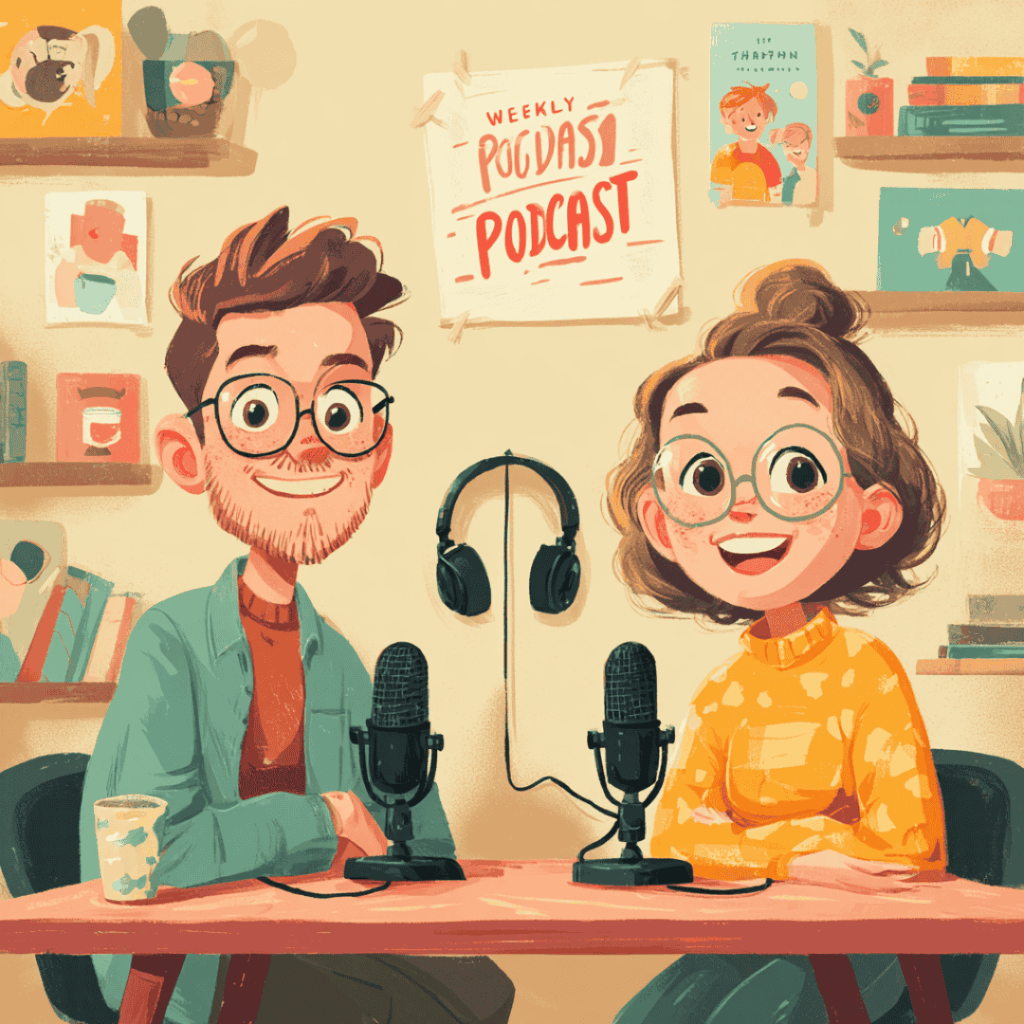
Alex: Welcome to The Weekly Talent Podcast. Today, I am speaking with Mia. Thanks for joining us, Mia!
Mia: Hi Alex. Thanks for inviting me.
Alex: So, Mia, tell us about your talents. What can you do?
Mia: Well, I can do a few creative things. I really love painting portraits.
Alex: That is amazing. Do you paint every day?
Mia: Yes. I like spending time in my art studio. But I don’t like cleaning the brushes after!
Alex: I understand! Cleaning is so boring. Can you do anything else? How about playing music?
Mia: No, I can’t play the guitar, piano, or even sing. I’m terrible at music!
Alex: That’s okay. I’m terrible at music, too. I hear you are good with computers.
Mia: I’m terrible at music, too. I hear you are good with computers. Is that true?
Alex: Do you like baking or cooking?
Mia: Oh, I hate baking and cooking! I always burn the food. I prefer going to restaurants instead.
Alex: Well, we can’t be good at everything. Thanks for talking to us, Mia!
Mia: You’re welcome, Alex.
Grammar
Can / Can't
When we talk about an activity, we usually use the -ing form of the verb after these words.
Complete the sentence
Unscramble the sentence
Correct or Incorrect
Is the sentence grammatically correct or incorrect?
Speaking
Discussion Questions
Answer the questions
Role Play 1 -An Interview
*Teacher Notes*
When students are finished have them swap roles and repeat.
Role Play 2 - You're a Star
◦ Ask: “Do you like performing in front of people?”
*Teacher Notes*
When students are finished, have them swap roles and repeat. The teacher can also give students the freedom to create their own questions.