Skip to content
Keywords
Derived – /dɪˈraɪvd/ duh-RYVD
Prerogative – /prɪˈrɑːɡətɪv/ pri-RAH-guh-tiv
Nepotism – /ˈnɛpəˌtɪzəm/ NEP-uh-tiz-um
Dearth – /dɜːrθ/ durth (rhymes with earth)
Internecine – Common pronunciation: /ˌɪntərˈniːsaɪn/ in-ter-NEE-sine
/ˌɪntərˈnɛsiːn/ in-ter-NESS-een
Listening
Text
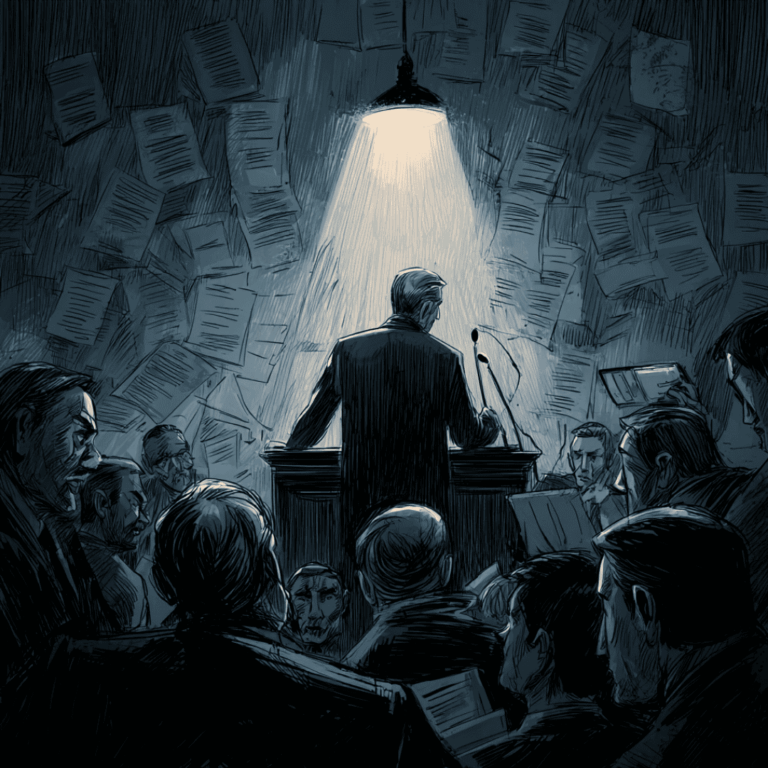
The chaos that engulfed the capital was not sudden—it was derived from years of silent resentment, bureaucratic corruption, and a widening chasm between power and the people. Minister Halden, once a symbol of reform, had become the very thing he swore to dismantle.
Though the media praised his strategic mind, whispers in the corridors of Parliament told another tale. It was said he used his prerogative to appoint close relatives to critical posts, sparking accusations of nepotism. The Prime Minister remained publicly supportive, though his private contempt was no secret.
When a cyber-leak exposed internal documents, the fragile alliances within the party collapsed. A dearth of trust allowed long-suppressed rivalries to surface. The scandal triggered an internecine power struggle that saw factions turning on one another, using old secrets as ammunition.
Halden stood defiant, refusing to step down. “What I built, I built with loyalty,” he barked during a televised hearing. But loyalty, it seemed, had an expiration date. His once-staunch allies now saw him as a liability—a relic of unchecked power.
By the end of the week, three ministers had resigned, one was arrested, and Halden had vanished. Whether he fled or was silenced remains a mystery.
Match the definition
Gap-fill
Complete the story
Discussion questions
-
In what ways can power be derived from sources other than elections, and how might that influence political legitimacy?
-
Should elected officials have the prerogative to appoint anyone they choose, even if that leads to accusations of favoritism or incompetence? Why or why not?
-
How does nepotism affect public perception of government fairness and transparency? Can it ever be justified in political systems?
-
What risks do governments face during a dearth of public trust, and how can they work to rebuild it after a scandal?
-
Why do internecine conflicts within political parties sometimes cause more damage than external opposition? Can such conflicts ever lead to positive change?